Tensions escalate between Abidjan district and Plateau municipality over urban project
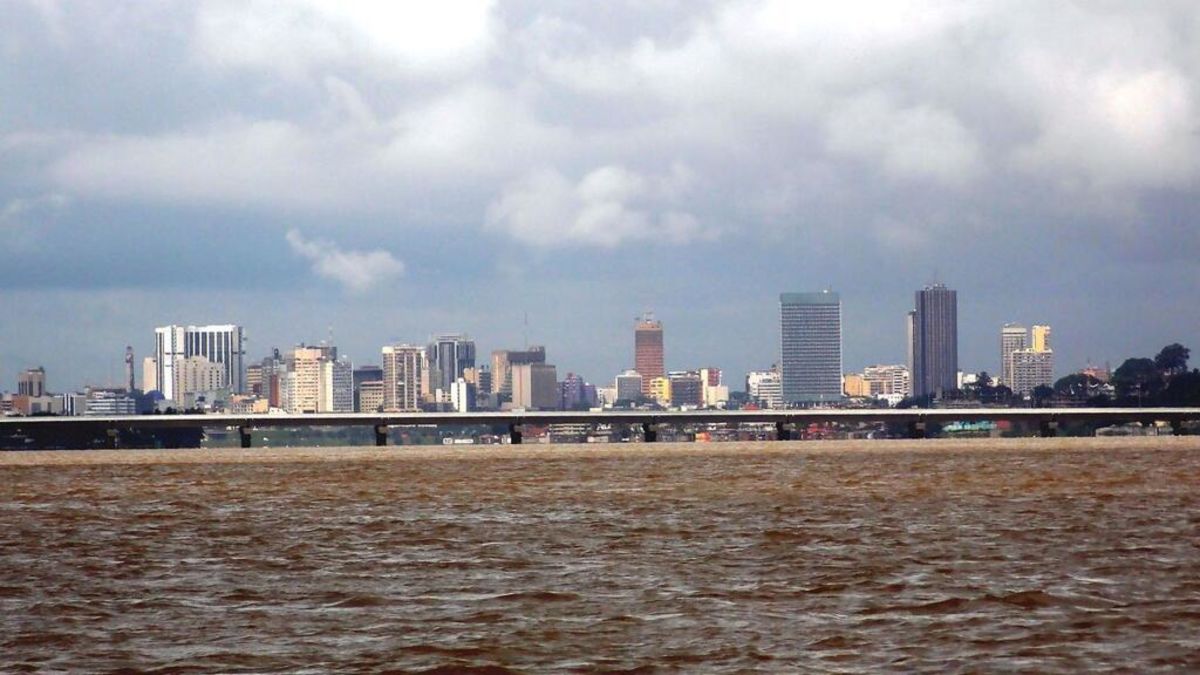
Disputes have intensified between the District of Abidjan and the Plateau municipality regarding a contested urban development initiative along the Ebrié Lagoon. The local government of Plateau has condemned what it terms an “unilateral action” by the district, highlighting the destruction of nearly 350 million CFA francs worth of recently completed infrastructure.
The Plateau administration now fears further demolitions could target remaining works on the eastern bank of the lagoon. In response, municipal authorities have announced plans to file an administrative appeal to halt the demolitions and seek compensation for the incurred losses.
District claims legal authority amid conflicting narratives
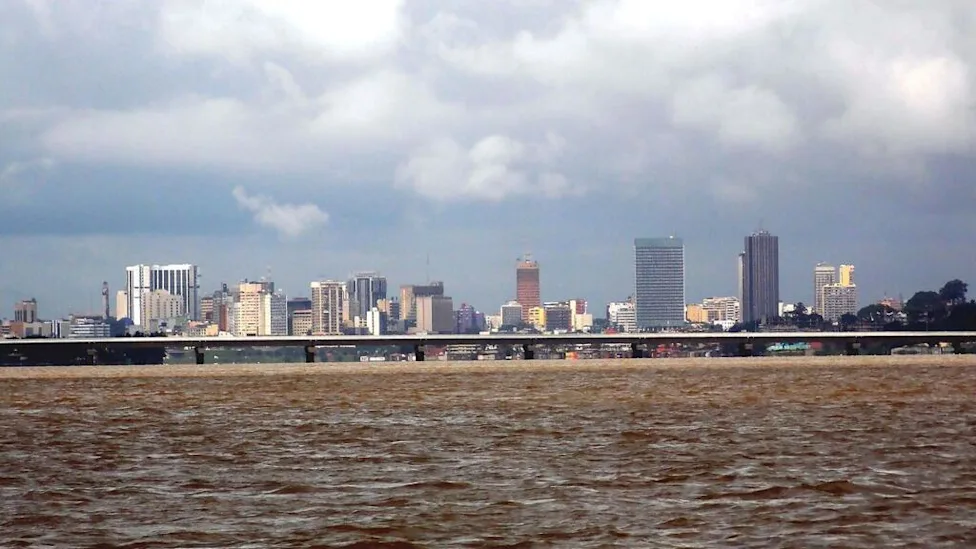
The District of Abidjan has defended its actions, asserting it was exercising its prerogatives by “freeing public land that had been unlawfully occupied.” The district also disclosed plans for a broader redevelopment project for the area, though specifics remain undisclosed.
This is not the first clash between the two governing bodies. The Plateau municipality and Abidjan district have a history of disputes, frequently accusing one another of overstepping jurisdictional boundaries. Political observers suggest underlying tensions may stem from the contrasting affiliations of key figures: Ibrahim Cissé Bacongo, district leader and secretary-general of the ruling RHDP party, and Jacques Gabriel Ehouo, Plateau mayor and PDCI deputy.
Political undertones complicate urban governance
Analysts warn that these recurring conflicts could undermine coordinated urban planning in Abidjan, a city already grappling with rapid expansion and infrastructure challenges. While both sides cite legal and developmental justifications, the lack of dialogue has left residents and investors uncertain about the future of the lagoon area.
The Plateau municipality’s decision to pursue legal recourse underscores the severity of the dispute, with potential implications for future governance structures in Côte d’Ivoire’s economic capital.
Related posts
Cameroun’s anglophone crisis: growing backlash against Yaoundé’s refusal to negotiate
International pressure mounts as Cameroon’s government faces mounting criticism for rejecting peace talks The refusal of...
Senegal’s public arrears cleanup stirs debate over economic recovery and debt management
The Senegalese government has set an ambitious goal: clearing up to 1.9 trillion West African CFA...
Morocco’s new government sparks mixed reactions amid reshuffled priorities
Morocco’s new government sparks mixed reactions amid reshuffled priorities The unveiling of Morocco’s freshly appointed cabinet...